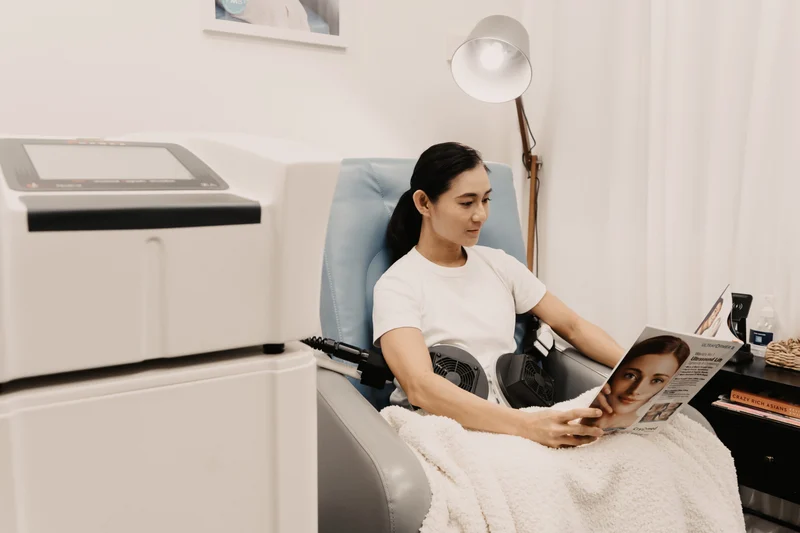
How to Stop Bladder LeakingBladder leaking is common, but it should not be ignored.It may happen when you cough, sneeze, laugh, jump, lift, exercise or rush to the toilet. Some people leak a little. Some feel they need to know where every bathroom is before leaving home.If this sounds familiar, you are not alone. Bladder leaking is often linked to pelvic floor weakness, bladder urgency, poor pressure control or changes in the body after pregnancy, weight gain, ageing or menopause.At InnoShape Norwest, we support pelvic floor function using non-invasive, technology-assisted therapy. Our goal is to help you understand why leaking happens and what your body may need.Why Does Bladder Leaking Happen?Bladder leaking can happen for different reasons.One common reason is weak pelvic floor muscles. Your pelvic floor sits like a supportive sling at the base of your pelvis. It helps support your bladder, bowel and pelvic organs.When these muscles are weak or not activating well, they may struggle to hold pressure when you cough, sneeze, laugh or move. This is often called stress incontinence.Another reason is bladder urgency. This is when you suddenly feel a strong urge to go and may not reach the toilet in time. This is often linked to an overactive bladder.Some people have both.That is why the first step is not shame. The first step is understanding.1. Strengthen the Pelvic FloorPelvic floor exercises are often recommended to help reduce bladder leakage.The challenge is that many people are not sure if they are doing them correctly. Some people squeeze the wrong muscles. Some hold their breath. Some push down instead of lifting up. Some cannot feel the muscles working at all.If you have been told to “just do Kegels” but nothing has changed, it may not be because you are lazy. Your body may need better support and activation.2. Improve Core and Pressure ControlYour pelvic floor does not work alone.It works with your deep core, breathing and posture to manage pressure inside the body.If your core is weak, or if too much pressure pushes down onto the pelvic floor, leaking may become worse. This is why some people leak when lifting, coughing, exercising or getting up quickly.At InnoShape, we look at the pelvic floor as part of the whole body, not as an isolated muscle.3. Reduce Extra Pressure on the Pelvic FloorWeight gain, belly pressure, constipation and chronic coughing can all increase pressure on the pelvic floor.This does not mean bladder leakage is your fault.It simply means your pelvic floor may be carrying more load than it can manage.For some clients, pelvic floor support works best when combined with weight management, core activation and body composition improvement.4. Support Better Bladder HabitsBladder habits matter.Going to the toilet “just in case” too often may train the bladder to signal too early. Holding for too long may also make urgency worse.Caffeine, alcohol, fizzy drinks, constipation and dehydration can also irritate the bladder for some people.A healthier bladder routine may help, especially when combined with pelvic floor support.5. Consider Non-Invasive Pelvic Floor TherapyAt InnoShape Norwest, we offer non-invasive pelvic floor therapy using technology-assisted muscle activation.You remain fully clothed and seated while the therapy stimulates deep pelvic floor contractions.This may support people who struggle to activate their pelvic floor properly on their own.It is low effort, non-invasive and designed to support pelvic floor strength, awareness and confidence.The InnoShape WayInnoShape is not just looking at bladder leakage as one symptom.We look at the body system behind it.Your bladder concern may be linked to pelvic floor weakness, poor core activation, weight changes, menopause, pregnancy history, body pressure or reduced muscle response.Our approach may include:Pelvic floor therapy
Core activation
Body composition scan
Weight management support
Functional wellness consultation
Progress trackingThe goal is to help your body function better, feel stronger and move with more confidence.When Should You See a Doctor First?Please see your GP or pelvic health physiotherapist first if your leakage is sudden, painful, worsening quickly or linked with blood in urine, fever, pelvic pain, numbness, repeated infections, prolapse symptoms or recent surgery.At InnoShape, we do not diagnose medical conditions. We support pelvic floor function through non-invasive wellness therapy.Bladder Leakage Treatment NorwestIf you are looking for bladder leakage treatment in Norwest, Bella Vista, Castle Hill, Baulkham Hills or The Hills, InnoShape offers a gentle, non-invasive starting point.Bladder leaking is common, but it does not have to become your new normal.Start with a consultation and find out whether your body needs pelvic floor support, core activation, weight management support or a combination.Feel stronger. Move better. Regain confidence.