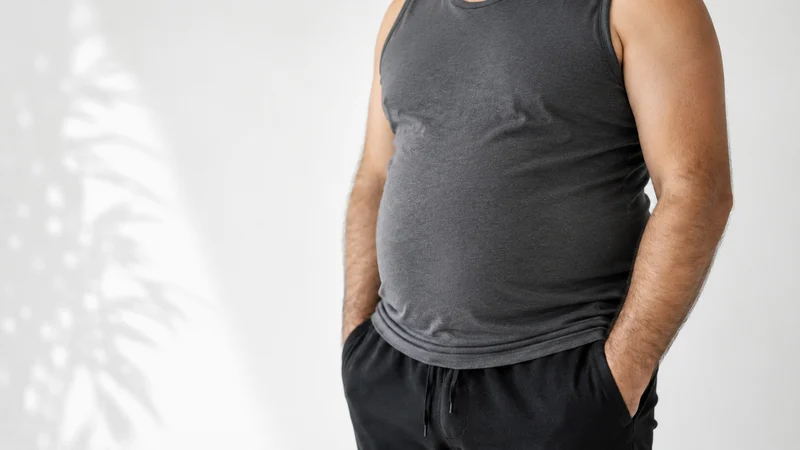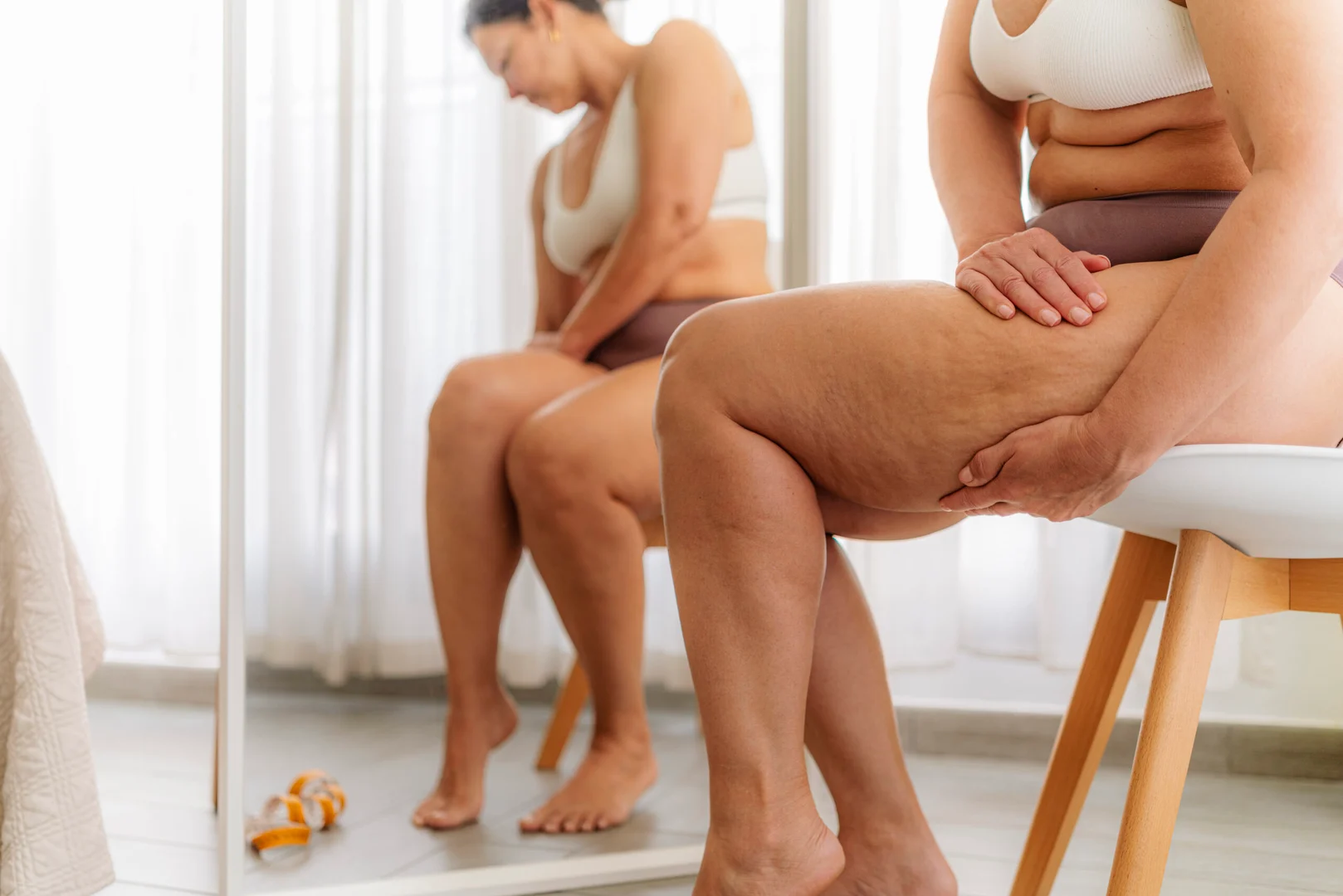
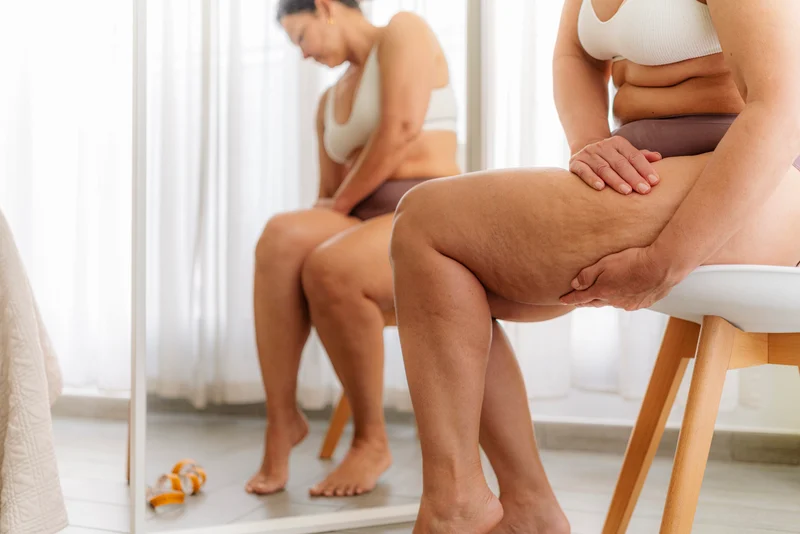
Lipoedema (Lipedema) and weight gain is often misunderstood.

Compare lipoedema and weight gain.
Many women spend years believing they simply need to lose more weight when, in reality, their body may be experiencing circulation changes, fluid retention, or lipedema.
They eat healthier, exercise more, and work hard to take care of their body, yet their legs still feel heavy, swollen, painful, or disproportionately larger compared to the rest of their body.
For some people, this may not be ordinary weight gain at all. It could be lipedema.
At InnoShape Norwest Sydney, we often meet women who feel frustrated because their body is not responding the way they expected. Understanding the difference between lipedema, weight gain, fluid retention, and body changes is the first step toward finding more supportive wellness care.
What Is Lipoedema?
Lipoedema also known as lipedema, is a chronic condition involving abnormal fat accumulation, fluid retention, and circulation changes that commonly affect the legs, hips, buttocks, and sometimes the arms.
It almost exclusively affects women and often becomes more noticeable during periods of hormonal change such as:
- puberty
- pregnancy
- perimenopause
- menopause
Unlike ordinary weight gain, lipedema fat is typically resistant to diet and exercise alone.
Many women describe feeling like their upper body loses weight while their lower body remains enlarged, heavy, swollen, or painful.
Is Lipoedema a Chronic Condition?
Lipoedema is increasingly being recognised internationally as a chronic condition involving abnormal fat distribution, inflammation, connective tissue changes, and lymphatic dysfunction.
Recent medical research published through PubMed Central highlights that lipedema is often misunderstood and frequently mistaken for ordinary weight gain or obesity, which can delay proper support and awareness.
The research also notes that many people with lipedema experience symptoms such as:
- heaviness in the legs
- swelling
- pain or tenderness
- easy bruising
- reduced mobility
- difficulty responding to traditional weight loss approaches
You can explore the research article here:
https://pmc.ncbi.nlm.nih.gov/articles/PMC12404891/
Lipoedema vs Weight Gain: What’s the Difference?
One of the biggest challenges with lipoedema is that it is often mistaken for:
- normal weight gain
- obesity
- cellulite
- fluid retention alone
People are commonly told to:
- exercise more
- eat less
- lose weight
But lipedema involves much more than body fat alone. It may also involve:
- inflammation
- connective tissue changes
- lymphatic congestion
- circulation challenges
- fluid build-up
This is why many women feel discouraged when traditional weight loss methods do not create the changes they expected.
Common Signs of Lipoedema
While every person is different, common signs of lipedema may include:
- heavy or painful legs
- swelling that worsens throughout the day
- tenderness or sensitivity to touch
- easy bruising
- difficulty losing fat in the lower body
- cellulite-like texture
- a noticeable difference between upper and lower body size
- legs feeling tight, heavy, or uncomfortable
Symptoms often gradually worsen over time without supportive management.
The Connection Between Lipoedema and the Lymphatic System
As lipoedema progresses, the lymphatic system can become overwhelmed.
When lymphatic flow slows down, fluid can build up within the tissues and contribute to:
- heaviness
- swelling
- pressure
- discomfort
- reduced circulation
This is why many people seek supportive therapies such as:
- lymphatic drainage
- compression therapy
- low-impact movement support
- circulation wellness support
Supporting lymphatic flow may help the body feel lighter and more comfortable overall.
You can also explore our lymphatic drainage for cellulite support to better understand how circulation and fluid retention may affect the lower body.
How InnoShape Supports Lipoedema Wellness
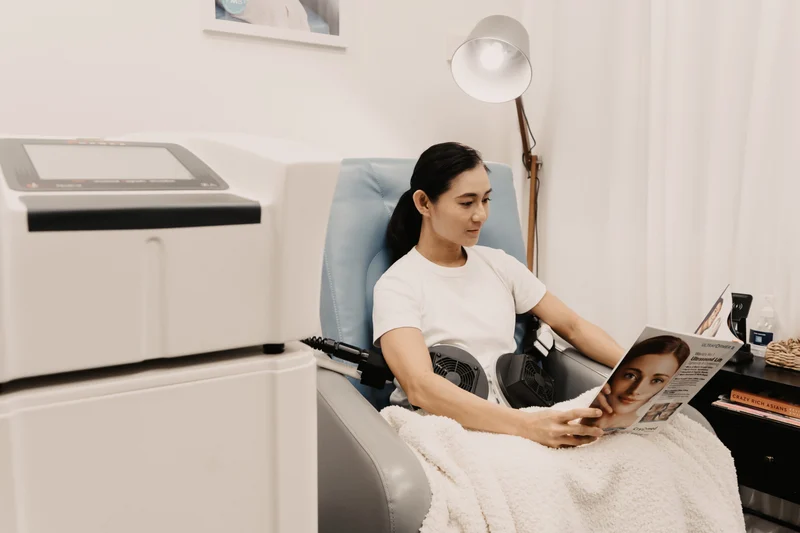
At InnoShape Norwest Sydney, we take a calm, functional wellness approach focused on supporting how the body circulates, drains fluid, recovers, and moves.
Our non-invasive wellness therapies may help support:
- circulation
- fluid movement
- heaviness in the legs
- body comfort
- recovery support
- movement and mobility
Many clients combine:
- lymphatic drainage support
- compression therapy
- low-impact wellness support
- body reset programs
- shape and strength programs
as part of their ongoing wellness journey.
Lipoedema Is Not a Personal Failure
One of the most important things to understand is this:
Lipedema is not caused by laziness or lack of discipline.
Many women with lipedema work extremely hard to care for their body.
Understanding what your body may be experiencing can help reduce frustration and support a more compassionate and realistic approach to long-term wellness.
A Functional Wellness Approach to Body Support
At InnoShape, we believe wellness should focus on supporting the body — not punishing it.
Our goal is to help people:
- feel lighter
- move better
- support circulation
- improve comfort
- build confidence in their body again
through personalised functional wellness support.
Explore Lipoedema Wellness Support in Norwest Sydney
If you are experiencing heavy legs, swelling, fluid retention, or body changes that do not seem to respond normally, you may benefit from supportive wellness care focused on circulation and lymphatic support.
Book a consultation at InnoShape Norwest Sydney to explore the right wellness pathway for your body and goals.
Jeanne from InnoShape
Feel lighter. Move better. Live a meaningful life.